Travel agents remain essential because they provide human judgment, hyper-personalization, and complex logistics management that automated AI tools cannot replicate. Expert advisors offer exclusive access to insider deals and handle real-time disruptions, illustrating why are travel agents still relevant in 2026 for high-stakes or group travel.
You spent four hours scrolling through AI-generated reviews and price comparison bots, only to end up more confused than when you started. In 2026, the primary barrier to a perfect vacation is no longer a lack of information; it is the deafening noise of a digital landscape flooded with generic recommendations and unreliable algorithms. This paradox of choice has turned DIY booking into a high-stakes gamble that most travelers simply do not have the time to lose. While technology promises efficiency, it consistently fails to provide the local nuance, safety, and accountability that only a human professional can guarantee. We will examine the business logic behind how agents secure superior deals, why local expertise remains the ultimate travel hack in cities like Hyderabad, and why having a direct line to a human matters most when your flight is canceled at midnight.
The Paradox of Choice: Why DIY Booking Is Getting Harder in 2026
The digital landscape of 2026 presents a frustrating irony for travelers. While generative AI can synthesize a ten day itinerary in under thirty seconds, the internet has never been more saturated with unreliable data. The proliferation of AI generated reviews and ghost listings, properties that exist online but are derelict or fraudulent in reality, makes the DIY process a minefield. This environment explains why are travel agents still relevant in 2026; their primary role has shifted from information discovery to rigorous information filtering.
At TRIP BROS, we see the distinction between efficiency and effectiveness daily. An AI tool is efficient; it can list the top ten hotels in a destination based on scraped data. However, providing professional travel-related services requires vetting those choices against real world conditions, such as recent renovations or changing neighborhood dynamics. An algorithm lacks the sensory memory of a human who has actually stood in the lobby or navigated the local transit. While technology offers a fast starting point, it often fails to account for the nuanced complexity of modern travel, leaving travelers to sift through thousands of conflicting data points. True value in the current market lies in the human capacity to separate authentic experiences from manufactured digital noise.
The Human Factor: Why Algorithms Can Not Replace Local Expertise

Algorithms process historical data, but travel exists in a volatile present. This reliance on data points creates a gap in three critical areas: judgment, accountability, and nuance. A booking engine might prioritize a four-star hotel based on its pool and gym, yet fail to mention it sits directly adjacent to a late-night construction zone or a noisy entertainment district. A human advisor at TRIP BROS understands that a well-maintained three-star hotel in a residential pocket often provides a superior experience to a poorly located luxury property. This street-level nuance is a primary reason why are travel agents still relevant in 2026; they provide the context that data scrapers ignore.
Furthermore, human judgment is indispensable for assessing destination safety and situational awareness. Algorithms struggle with real-time shifts, such as a sudden change in local political climate or a temporary infrastructure failure that makes a specific route inaccessible. While technology can aggregate past reviews, it cannot offer accountability. When an automated itinerary fails, there is no one to hold responsible for the error. By contrast, when you contact our travel experts, you gain a partner who interprets real-world conditions through a lens of professional experience. We look beyond the ghost listings and sanitized photos to ensure your itinerary is grounded in current reality, not just outdated code. This human oversight serves as a vital filter, transforming a sequence of bookings into a functional, safe, and pleasant journey.
Why Do Travel Agents Get Better Deals: The Business Logic
Understanding why travel agents get better deals requires looking behind the user interface of standard booking sites into the B2B travel ecosystem. Professional agencies utilize private Global Distribution Systems (GDS) and wholesale platforms that remain inaccessible to the general public. These systems provide access to net rates, which are discounted prices hotels and airlines offer to high-volume partners to guarantee occupancy and seat fills. While a public site might show a competitive base price, it often lacks the negotiated contract rates available to established firms.
TRIP BROS leverages these industry relationships and consortium benefits to secure superior value. It is important to clarify that a better deal rarely means just the lowest sticker price; it signifies enhanced value. Through our professional travel-related services, we often secure amenities that an individual cannot book alone, such as inclusive breakfasts, guaranteed room upgrades, or late checkouts. These perks represent significant monetary savings and a higher quality of stay. This access to non-public inventory and value-added benefits is a primary reason why are travel agents still relevant in 2026, as we convert industry leverage into tangible savings for the traveler.
Why Are Travel Agents Free or Low Cost for the Traveler?
A common misconception is that professional help comes with a heavy price tag. In reality, many travelers find that working with an advisor is free or involves a minimal fee. This is possible because of the industry standard commission model. Hotels, cruise lines, and car rental companies bake a commission into their published rates regardless of how you book. When you use professional travel-related services, these providers pay the agency a percentage for facilitating the booking. If you book yourself, the hotel simply retains that commission as extra profit. You pay the same price but lose the expert oversight.
For highly complex, multi city international itineraries, TRIP BROS may charge a transparent service fee. This fee covers the intensive research time and administrative management required to sync local transport, visa requirements, and private tours. These fees function as a form of professional insurance, guaranteeing that your trip is logically sound and fully supported. Transparency regarding these costs is a core part of the about TRIP BROS philosophy. It ensures that when you contact our travel experts, you understand you are paying for expertise and time. This financial transparency is a key reason why are travel agents still relevant in 2026, as it aligns the agent’s success directly with the traveler’s peace of mind.
The Indian Context: Why Travel Planning Is Changing in Hyderabad

Travel planning in Hyderabad has evolved beyond simple ticket booking. As Rajiv Gandhi International Airport expands its direct international connectivity to major hubs across Europe and Southeast Asia, the complexity of outbound travel from Telangana has surged. A primary reason why are travel agents still relevant in 2026 is the specific cultural nuance required for Indian groups. Managing a multi-generational itinerary that balances the mobility needs of seniors with the activity levels of children requires a human touch that standard digital platforms lack.
At TRIP BROS, we frequently address the logistical challenge of ensuring strict Jain or vegetarian dietary requirements are met in remote destinations, a detail often lost in the fine print of automated bookings. Surprisingly, the demand for professional travel-related services is growing among Hyderabad’s Gen Z. Unlike previous generations who sought traditional sightseeing, these young travelers prioritize 'aesthetic' and 'offbeat' locations, such as hidden boutique stays in the Caucasus or niche art districts in Japan. They are turning away from generic Online Travel Agencies because those platforms prioritize high-volume, mainstream properties. By focusing on unique, visually compelling experiences, about TRIP BROS bridges the gap between digital inspiration and physical reality. This specialized local knowledge ensures your trip feels personal rather than programmed.
Safety and Security: Spotting Scams in a Digital World

The digital expansion of travel services in Hyderabad has introduced a significant risk: the rise of sophisticated financial fraud. In 2026, WhatsApp travel scams have become a primary tool for bad actors who impersonate agencies to sell fraudulent express visas or non-existent insurance bundles. This digital vulnerability is a core reason why are travel agents still relevant in 2026. A physical, registered entity provides a level of accountability and security that a nameless chat window cannot replicate.
To protect your investment, you must verify the legitimacy of a provider before any funds are exchanged. Genuine professional travel-related services are always backed by verifiable business credentials. Use the following checklist to vet your travel partner:
Verify a physical office: Search for a verifiable local presence, such as the TRIP BROS office in Hyderabad, Telangana.
Request GST registration: Legitimate Indian travel firms must possess a valid GST number for tax compliance and legal operations.
Scrutinize payment requests: Exercise extreme caution if an agent demands immediate UPI transfers for urgent visa processing or secret deals.
Confirm industry standing: Check for professional affiliations and independent reviews that predate your inquiry.
By choosing a local firm, you eliminate the risk of ghost listings and phantom bookings. You can contact our travel experts to verify our operations or learn more about TRIP BROS and our commitment to secure, transparent transactions. Human oversight ensures your identity and finances are protected from the growing wave of digital travel crime.
Who Should Use a Travel Agent and Who Should Skip It?
Efficiency in travel requires knowing when to delegate and when to handle a task personally. Professional assistance is not a universal requirement for every trip; identifying where you fit in the travel spectrum is essential for maximizing your time and budget.
Who Should Use a Travel Agent | Who Should Skip the Agent |
|---|---|
Multi-destination international itineraries | Simple one-way domestic flights (e.g., Hyderabad to Delhi) |
Corporate or wedding group organizers | Extreme budget backpackers who prioritize the lowest cost |
First-time international flyers | Travelers who enjoy spending 40+ hours on personal research |
Luxury seekers requiring VIP access | Repeat travelers booking a routine, familiar weekend getaway |
If you are embarking on a complex journey across multiple time zones or managing a group of ten people with varying needs, the logistics quickly become overwhelming. For these high-stakes scenarios, professional travel-related services provide a critical layer of coordination. Conversely, if you are a seasoned backpacker who values the 40 hour research process as part of the adventure, a human planner may feel restrictive.
The reason why are travel agents still relevant in 2026 for specific segments like luxury seekers or first-time flyers is the transfer of risk. When you contact our travel experts, you are paying to eliminate the possibility of logistical failure. If your trip is a simple hop between Indian cities, the DIY approach is perfectly adequate. However, for milestone events or unfamiliar foreign terrain, the expertise offered by about TRIP BROS ensures your investment is protected by professional oversight rather than left to chance.
Crisis Management: What Happens When Your Flight Is Cancelled at 2 AM?
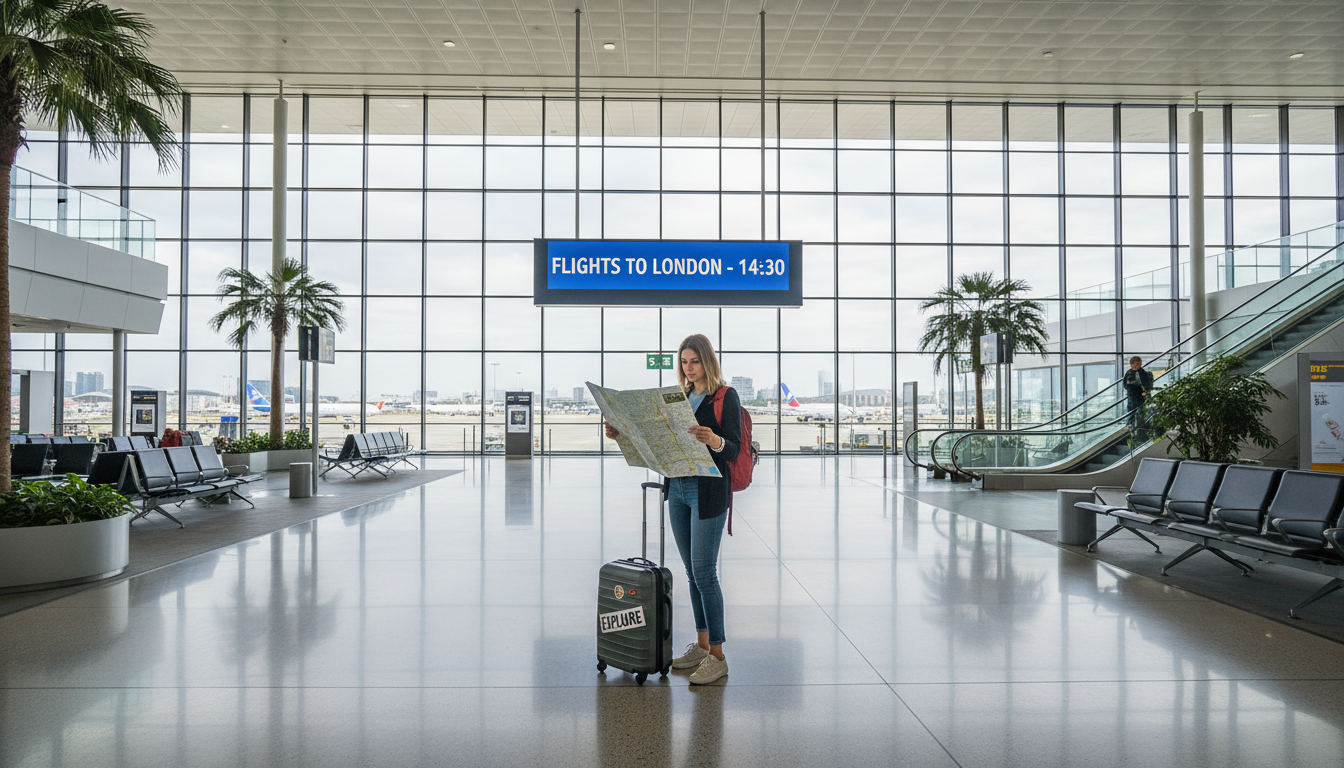
At 2 AM, when a sudden ground strike or monsoon storm cancels your connection, the digital efficiency of a booking app evaporates. For those who used generic online platforms, this often results in a four hour ordeal with an AI chatbot that lacks the authority to issue new tickets or authorize hotel vouchers. This high stakes gap in service is why are travel agents still relevant in 2026. While the general public struggles with automated phone trees, our team provides immediate triage, leveraging professional back-channels to airline desks that consumers cannot access.
This level of crisis management is a major driver for the projected $141 billion advisor market growth. When you invest in professional travel-related services, you are essentially purchasing an insurance policy against logistical chaos. Beyond simple booking, about TRIP BROS is about providing a human fallback when technology fails. Having a dedicated advocate to rebook a hotel or secure the last seat on a morning flight provides a level of peace of mind that no algorithm can replicate. To ensure your next journey is protected, you can contact our travel experts before the unexpected happens.